By Dhananjay Shinde, BAMS Student
Have you ever felt that no amount of rest, clean eating, or exercise truly resets your body? Maybe you’ve read about Panchakarma and wondered if this ancient Ayurvedic therapy could be the deep transformation you’re looking for. As a BAMS student immersed in authentic Ayurvedic knowledge, I’ve come to see Panchakarma not just as a treatment, but as a profound dialogue between your body and nature. Whether you’re here out of curiosity or desperately seeking relief from a chronic issue, this guide will walk you through everything you need to know about Panchakarma—what it is, how it works, and who it’s really for.
What is Panchakarma?
n Sanskrit, Pancha means five, and Karma means actions or procedures. Panchakarma is Ayurveda’s classical five-fold purification therapy, designed to deeply cleanse the body of accumulated toxins (called ama) and bring the three doshas—Vata, Pitta, and Kapha—back into balance. Think of it not as a quick detox fad, but as a carefully orchestrated reset that prepares your tissues to accept nourishment, healing, and lasting wellness.
Ayurvedic texts describe Panchakarma as a seasonal and preventive practice, as well as a curative one. It’s traditionally performed under the supervision of a qualified Ayurvedic physician, because the therapies are customized to your unique constitution (Prakriti) and current imbalances (Vikriti).
Search intent check: If you landed here asking “what is Panchakarma, and how does it work?”—you’re in the right place. I’ll break it all down step by step.
How Does Panchakarma Work? The Three Stages
Before diving into the five actions, it helps to understand that Panchakarma isn’t just a single-day event. A classical Panchakarma treatment has three main phases:
- Purva Karma (Preparatory Phase): This includes internal and external oleation (Snehana) with medicated ghee or oils, and therapeutic sweating (Swedana). These steps loosen deep-seated toxins and guide them toward the gastrointestinal tract for elimination.
- Pradhana Karma (Main Detox Phase): This is where the five cleansing actions happen, chosen based on your doshic imbalance.
- Paschat Karma (Post-Therapy Care): A gradual return to a normal diet and lifestyle, with specific rejuvenating (Rasayana) herbs, dietary guidelines, and daily routines to rebuild strength and lock in the benefits.
Every stage is crucial. Skipping preparation or rushing the aftercare can reduce the effectiveness of Panchakarma—and in some cases, can even create imbalances.
The Five Actions of Panchakarma (The Real Heart of the Therapy)
1. Vamana (Therapeutic Emesis – Kapha Cleanse)
Vamana is a controlled, physician-supervised vomiting therapy. It’s primarily designed to eliminate excess Kapha dosha from the stomach and respiratory tract. Imagine it as a deep clean for the upper digestive system and lungs.
Who might need it: People with chronic asthma, allergies, sinus congestion, or stubborn weight gain often benefit significantly. It’s definitely not something you try at home; the process involves specific herbal preparations and precise timing.
2. Virechana (Therapeutic Purgation – Pitta Cleanse)
Virechana uses herbal laxatives to purge excess Pitta dosha from the small intestine, liver, and gallbladder. This is one of the most commonly performed Panchakarma therapies because it directly addresses the fiery, transformative nature of Pitta.
When it helps: Inflammatory skin conditions (acne, eczema), hyperacidity, migraines, and intense irritability are classic indications. After Virechana, patients often describe a cool, calm sense of clarity.
3. Basti (Medicated Enema – Vata Cleanse)
If you remember one thing from this guide, let it be this: Basti is the master treatment for Vata disorders. Medicated enemas using herbal oils (Anuvasana Basti) or herbal decoctions (Niruha Basti) work directly on the colon, where Vata is primarily seated. Since Vata governs all movement in the body, pacifying it with Basti can have system-wide effects—from joint health to mental calmness.
It’s used for: Chronic constipation, lower back pain, arthritis, paralysis, and neurological conditions. Despite how it sounds, it’s an incredibly gentle and deeply relaxing therapy when administered correctly.
4. Nasya (Nasal Administration)
Nasya involves instilling medicated oils, powders, or herbal juices into the nasal passages. Ayurveda considers the nose the doorway to the head and brain. Nasya clears the sinus cavities, improves sensory function, and balances hormones.
Common applications: Chronic sinusitis, migraines, hair fall, and even stress-related sleep issues respond well to regular Nasya treatment.
5. Raktamokshana (Bloodletting)
This is the fifth action, though it’s used less frequently today and only under very strict conditions. Raktamokshana involves the controlled removal of a small amount of blood to eliminate toxins localized in the bloodstream. It’s especially useful for stubborn skin diseases, gout, and localized inflammation where Pitta and Rakta (blood) are deeply vitiated. Modern Panchakarma clinics may use leech therapy (Jalauka Avacharana) or venipuncture with sterile equipment.
Panchakarma Benefits: More Than Just Detox
When people search for “Panchakarma benefits,” they’re often looking for a solution to a specific problem. Here’s how this deep cleanse translates into real-life wellness.
Metabolism & Weight Loss: By balancing Kapha and kindling the digestive fire (Agni), Panchakarma removes the sluggishness that stores stubborn fat. That’s why so many people experience a natural weight shift and increased energy. (If weight loss is your main goal, I’ve written a detailed post on how Panchakarma boosts metabolism—check it out linked here.)
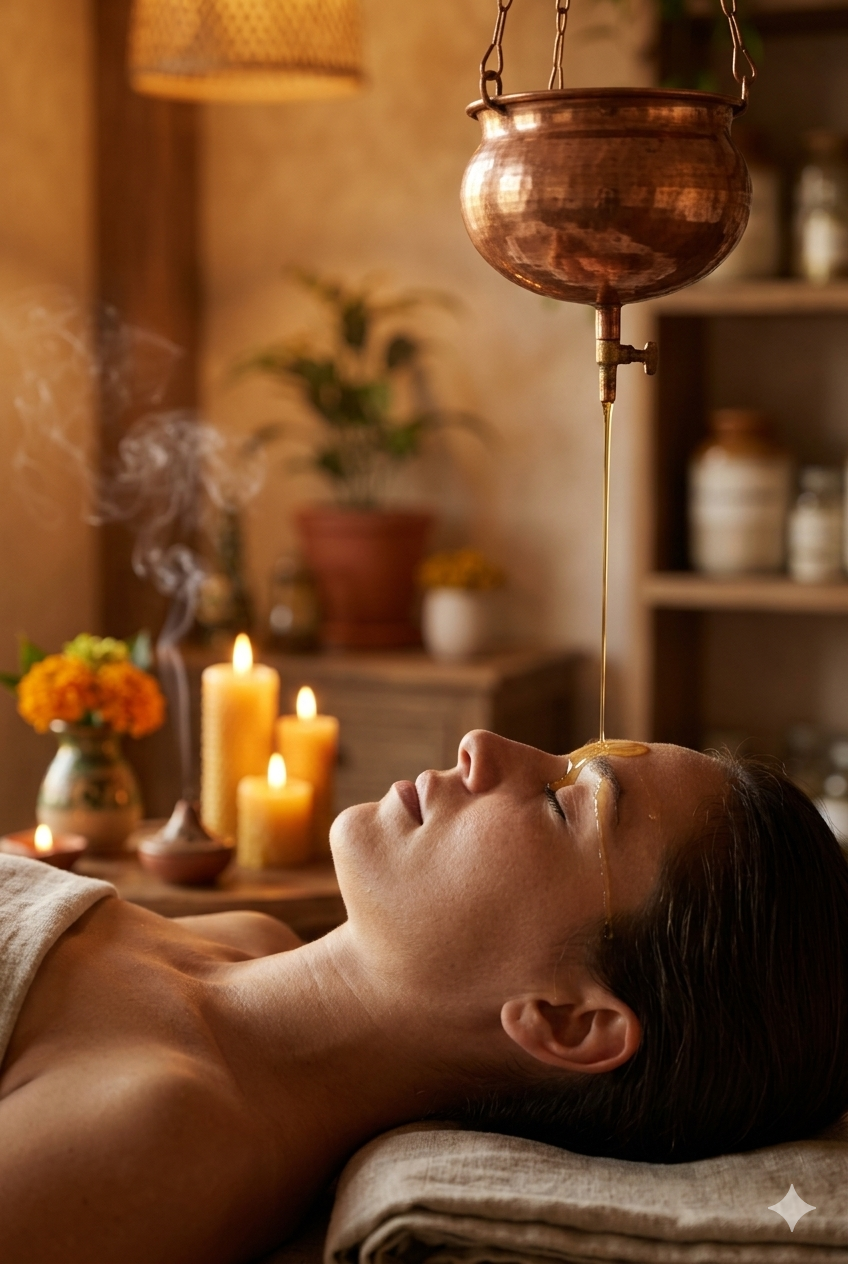
Calming the Nervous System: Excess Vata often manifests as anxiety, scattered thoughts, and insomnia. Therapies like Basti and Shirodhara (often done alongside Panchakarma) ground the mind profoundly. Many patients say they experience a level of mental stillness they haven’t felt in years.
Digestive Reset: Panchakarma is arguably the ultimate gut detox. When ama (toxic, undigested residue) coats the intestines, you experience bloating, irregular appetite, and nutritional deficiencies. The purgation and enema therapies strip away this coating, allowing your gut to absorb nutrients and function optimally again.
Stronger Immunity: After the cleanse, the body’s tissues (Dhatus) are better nourished, making you less susceptible to seasonal allergies and frequent infections.
Anti-Aging & Rejuvenation: A successful Panchakarma followed by proper Rasayana therapy can slow down premature aging, improve skin texture, and enhance vitality.
Who is Panchakarma For? (And Who Should Avoid It)
Panchakarma isn’t just for the sick. It’s a preventive tool for anyone who wants to maintain balance and prepare the body for deeper healing. You might consider Panchakarma if you:
- Feel constantly tired, foggy, or “stuck”
- Suffer from recurring digestive issues like bloating or indigestion
- Experience chronic joint pain, skin problems, or sinus issues
- Want to reset after a period of high stress or poor diet
- Simply wish to follow Ayurveda’s seasonal purification protocol
However, Panchakarma is not suitable for everyone. It is generally avoided during pregnancy, in very weak or emaciated patients, during acute fever, and in certain advanced disease stages without careful physician evaluation. Always get a proper consultation—never self-prescribe these therapies.
Preparing for Panchakarma: The Diet You Need to Know
What you eat before, during, and after Panchakarma determines 50% of your results. A few days prior, you’ll transition to light, warm, easily digestible foods like kichari (a rice and split mung bean porridge) and sipping hot water. The idea is to reduce the workload on your digestion so the body can focus on cleansing.
I’ve prepared a complete Panchakarma diet guide that walks you through exactly what to eat in each phase—you can find it right here on the blog. (Link to “Panchakarma Diet: What to Eat Before, During, and After Treatment”)
What to Expect During and After a Panchakarma Treatment
Honestly? A few surprising things. During the active cleanse, you might feel tired, emotional, or notice mild symptoms like a coated tongue or a slight headache. This is normal—it’s a sign that toxins are being stirred up and eliminated. In the post-therapy phase, however, most people describe a lightness, incredible mental clarity, and improved appetite.
I’ve addressed every common worry in my Panchakarma side effects article, where I separate normal healing reactions from true red flags. (Link to “Panchakarma Side Effects: What is Normal During an Ayurvedic Detox”)
Can You Do Panchakarma at Home? (The Short Answer)
I get this question a lot, and I totally understand the appeal. The short answer: true classical Panchakarma should not be done at home. The five actions require precise preparation, skilled supervision, and post-care monitoring to be safe and effective. That said, there are gentle daily detox habits and kitchen-based Ayurvedic cleanses you can adopt safely. I’ve shared a guide full of safe DIY Ayurvedic detox tips that you can start this week. (Link to “Can You Do Panchakarma at Home? Safe DIY Ayurvedic Detox Tips”)
Final Thoughts: This is Self-Care at Its Deepest Level
Panchakarma is one of Ayurveda’s greatest gifts. It asks you to pause, to give your body the attention it deserves, and to emerge not just cleaner, but more connected to your own natural rhythms. As someone who studies these texts every day, I can honestly say the science behind it is as compassionate as it is brilliant.
If you have questions or personal experiences with Panchakarma, I’d love to hear from you in the comments below. And if this guide helped you understand the bigger picture, share it with someone who’s been asking, “What is Panchakarma all about?”—because the first step toward healing is simply knowing where to begin.
Stay in balance,
Dhananjay